
Is SPF 100 Really Necessary, or Just Marketing?
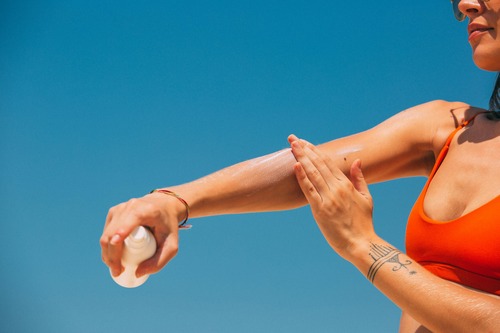
Sun’s out, sunscreen on! While some people think a higher SPF is always better, is that really the case? SPF, short for “Sun Protection Factor,” measures the level of protection against sunburn. But there’s more to it than just choosing a high SPF. Below are some of the factors that affect your sun protection.
1. UVB protection
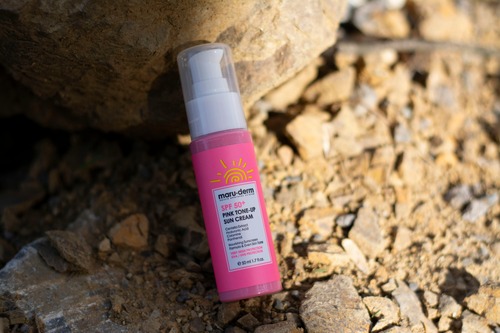
The number on the SPF tells us how effectively the product protects against UVB rays from the sun. For example, SPF 30 absorbs around 97% of UVB rays, while SPF 100 absorbs about 99%. That’s just a 2% difference. Despite the marginal increase in protection, be aware that opting for a higher SPF may lead to a more noticeable white cast or a less cosmetically elegant formulation.
2. Application matters
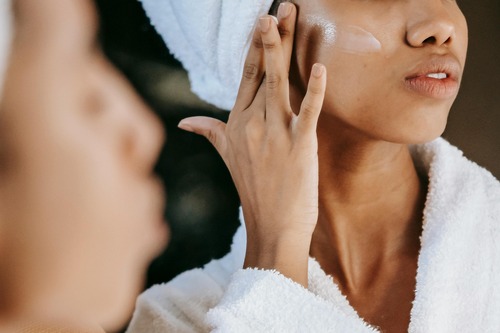
When it comes to applying sunscreen, there’s no precise rule, but based on previous studies, it’s suggested to apply about 2 mg/cm² of sunscreen. This means you should aim to use 2 milligrams of sunscreen per square centimeter of skin. That’s quite a bit of sunscreen.
3. Make sure to apply enough
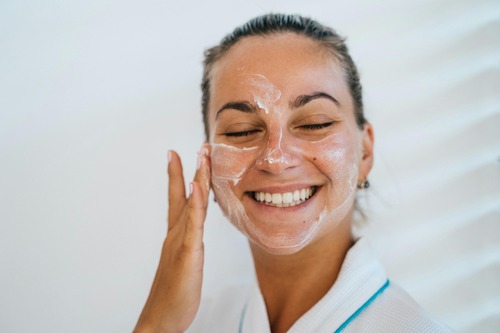
Many of us tend to skimp on sunscreen, but it’s important to apply enough every day and reapply frequently. Reapplying sunscreen can give you better coverage in areas you might have missed and provide extra protection in spots you might not have used enough. Here are some tips for applying sunscreen.
4. Two-finger rule
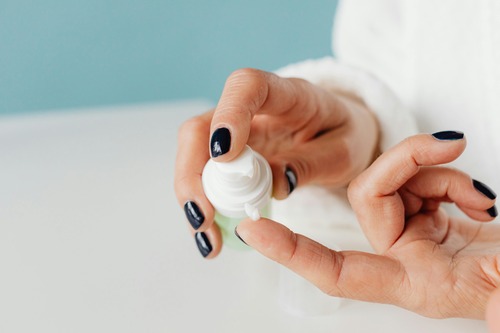
Squeeze sunscreen along the full extent of your index and middle fingers. This amount is what you should use for your face and neck.
5. Set a timer
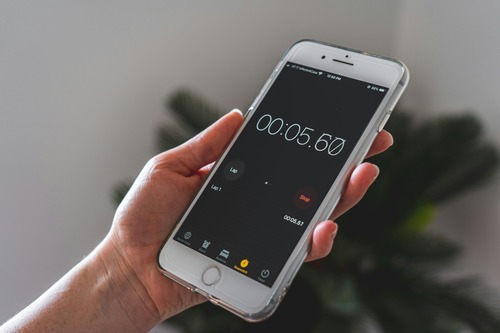
Set a reminder on your phone to alert you to reapply sunscreen every two hours. You should also reapply after sweating or swimming.
6. Consider sunscreen powder
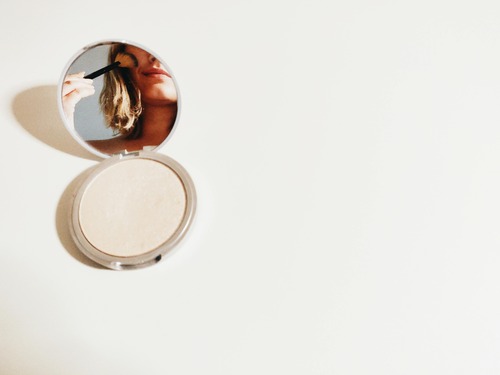
If you have oily skin or wear makeup, use sunscreen powder for easy reapplication without messing up your look.
7. Personal sunscreen preferences
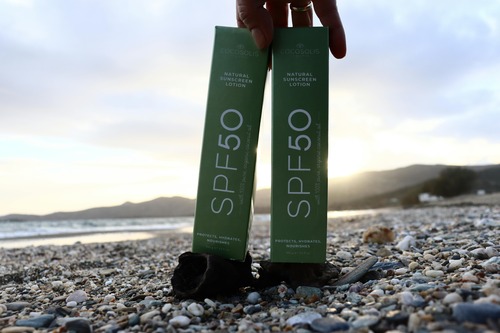
As mentioned before, even though the protection difference between SPF 30 and SPF 100 is relatively small, some people might have their own reasons for using a higher SPF, which may include the following personal preferences.
8. Peace of mind

Some people just feel better knowing they’re using the highest SPF protection possible.
9. Length of time spent outside

If you know you’ll spend a lot of time outdoors, especially swimming, you might prefer the extra security of a higher SPF.
10. Skin conditions
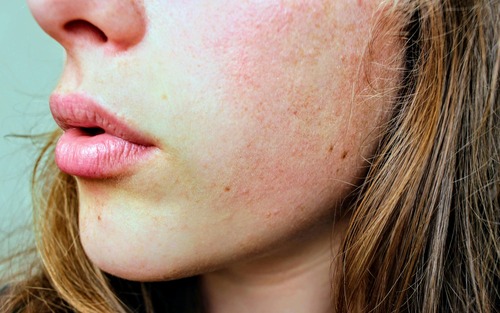
If you have very sensitive skin or issues with melasma or rosacea, you may feel more at ease using a higher SPF.
11. Key Takeaways
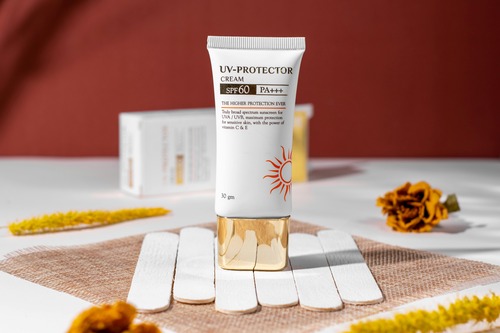
Both SPF 30 and SPF 50 offer substantial protection against UVB rays, filtering out 97% and 98%, respectively. Typically, this level of protection is sufficient for most people. In addition, ensuring even coverage and reapplying every two hours is necessary for adequate sun protection, regardless of the SPF number.
